Wake up diabetic, then eat your way in a balanced meal – not a donut or sweet juice. The ultimate breakfast diet to give to a diabetic patient incorporates low protein lean foods, whole grains. Or vegetables that contain high fiber as well as a small amount of healthy fats. Such a combination slows the digestion process and prevents large spikes of blood sugar.
An instance of this is the replacement of a bagel with a spinach and Eggs on Whole-grain Toast. Or Greek yogurt and berries contains protein and fiber as opposed to plain starch. Even a study conducted indicates that avoiding carbs in breakfast (substituting them with protein/fat sources) may greatly lower the rise in blood sugar levels after the meal.
In short: Have a breakfast immediately after you get up preferably within an hour. Add protein and fiber to maintain your level of sugar throughout the morning.
You May Also Read: What to Eat on an Empty Stomach in Morning to Stay Healthy?
Why Breakfast Matters for Diabetes?

It is generally recommended that one eat a breakfast to control diabetes. Research reveals that breakfast is a wise thing to have. It will assist in managing your weight, keeping full, and within the blood sugar limits. Having a nice breakfast informs your body that you need to move after napping. It suppresses the craving of food in the late-afternoon and gets you to stop over eating.
Skipping breakfast, on the other hand, can make it harder to control blood sugar. For instance, one study found that people with type 2 diabetes who skipped breakfast had higher average blood sugars. And they have more changes than people who ate breakfast. In other words, breakfast helps keep glucose levels steady. If you don’t eat breakfast, your levels are more likely to go up and down more quickly. Most experts say that you should eat a healthy breakfast most days.
You May Also Read: Cream of Wheat Nutrition Guide for Balanced Breakfasts
What Should Diabetics Eat First Thing in the Morning?

A good first meal has protein, fiber, and healthy fats, but not too many sugars or refined carbs. Eat whole, unprocessed foods. The ADA says to be “carb-conscious” and choose your carbs carefully, making sure to eat them with protein and fat. For instance:
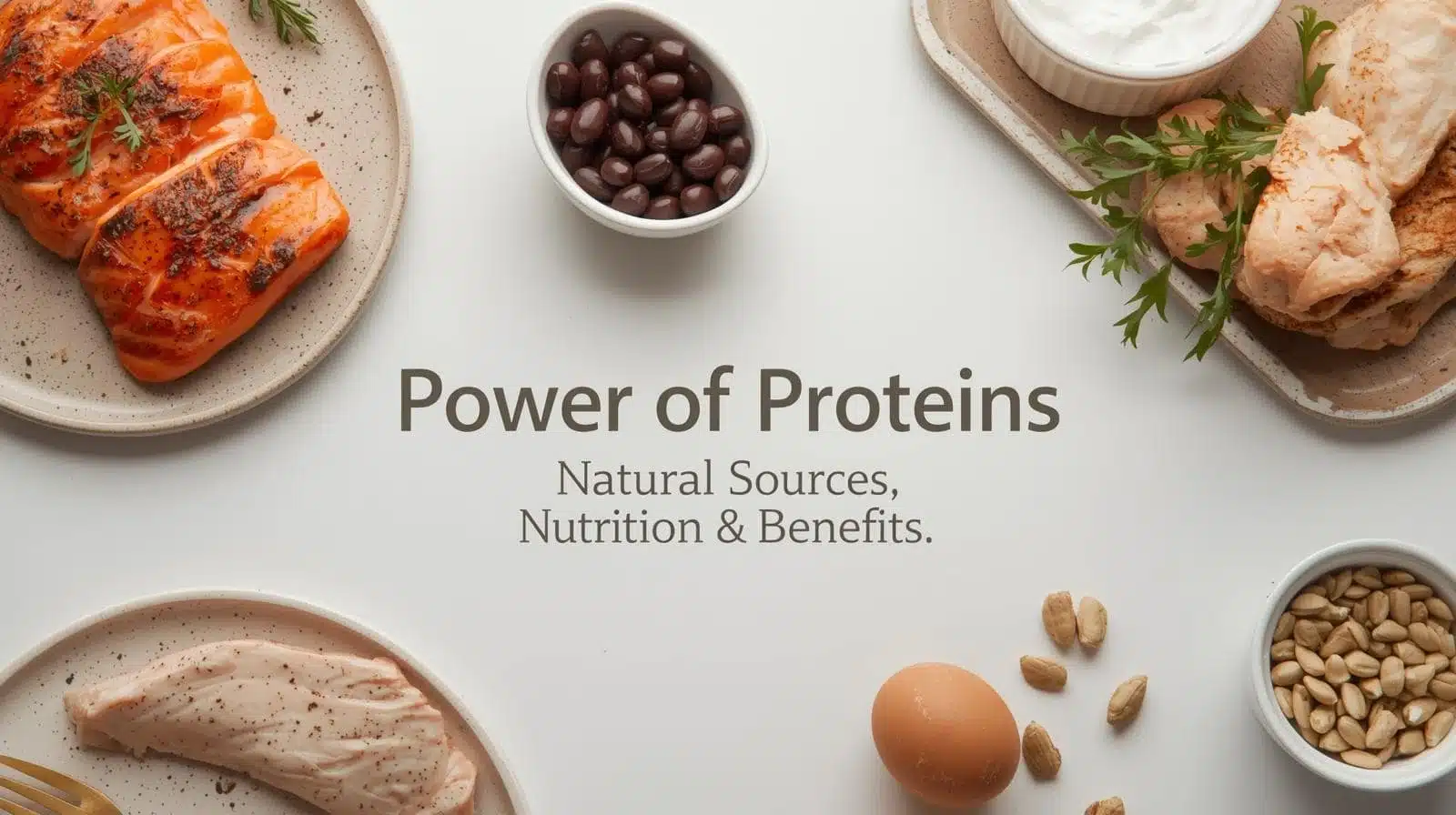
- Protein: Eating foods high in protein in the morning helps slow down digestion and stop spikes. Some good options are eggs (boiled, scrambled, or in an omelet), plain Greek yogurt, cottage cheese, lean meats or poultry, fish, tofu, and nuts or nut butter. A veggie omelet or scrambled eggs with spinach, for example, will give you energy for a long time without adding any carbs. Plain Greek yogurt with nuts and berries on top is a good source of protein and fiber. A scoop of cottage cheese with some berries and almonds on top has about 9 grams of protein and some fat, which will keep you full.
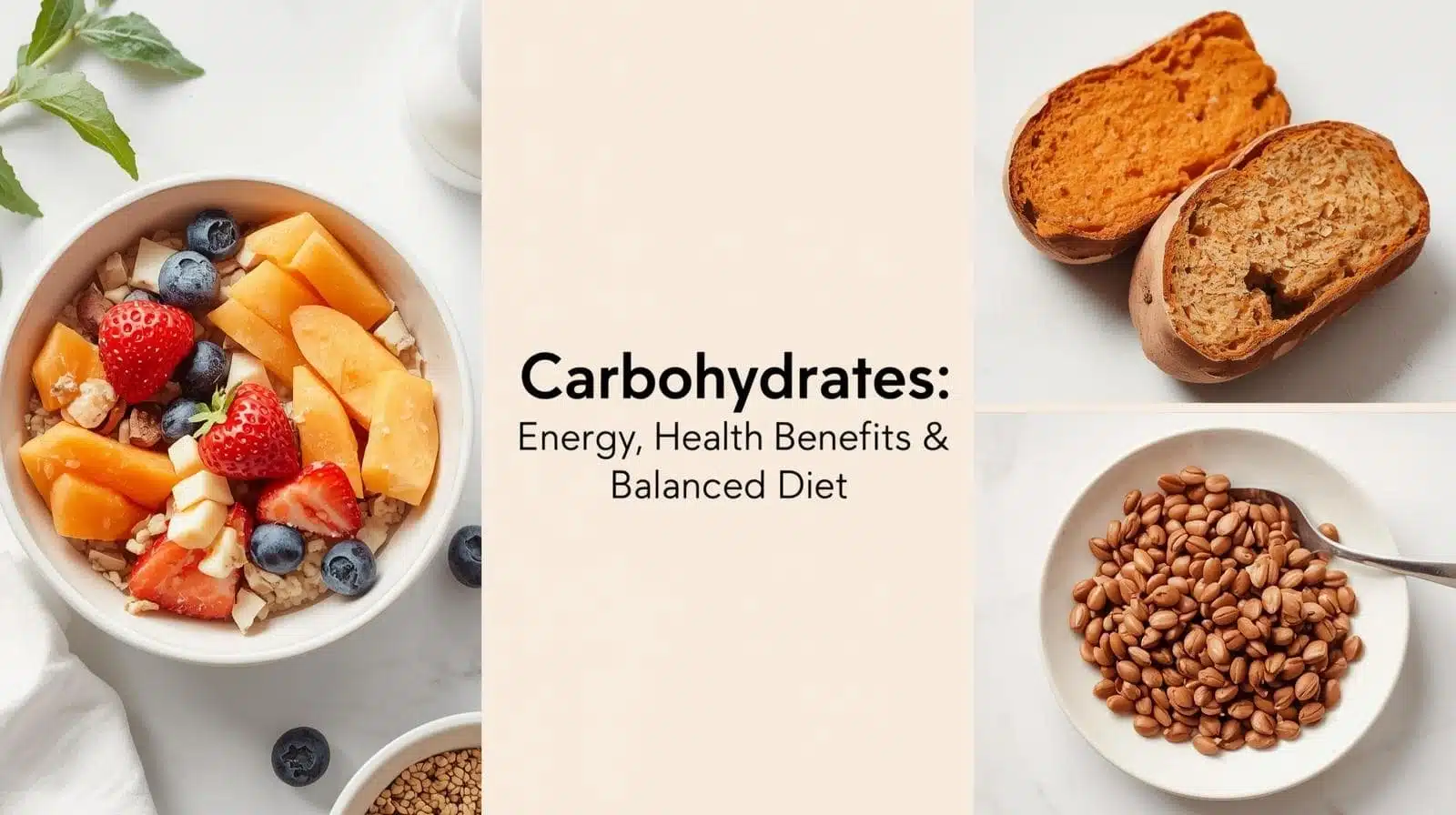
- Fiber and whole grains: Foods high in fiber slow down the absorption of glucose. Include things like oatmeal or overnight oats, whole-grain cereals (look for at least 3 grams of fiber per serving), and vegetables. Oats are especially good because they have soluble fiber (beta-glucans) that keeps blood sugar stable. For instance, make steel-cut oats with chia seeds and sprinkle cinnamon and a few berries on top. The ADA also says that fruits like apples, pears, and berries, as well as seeds (chia and flax) and beans (legumes), are good sources of fiber. A veggie omelet gives you both fiber and nutrients.
- Healthy Fats: Monounsaturated and polyunsaturated fats add flavor and slow down the digestion of carbs. Avocados, olive oil, nuts, seeds, and nut butters are all good choices. For instance, you could mash avocado on whole-wheat toast or put walnuts in your oatmeal. These fats help you stay full longer. The ADA says that for heart health, you should choose fats like those in olive oil, nuts, and avocados.
- Smart Carbohydrates: If you eat breads, cereals, or starchy vegetables, make sure they are worth it. Pick whole or minimally processed foods, and pay attention to how much you eat. The “plate method” from the ADA says that half of your plate should be non-starchy vegetables, a quarter should be protein, and a quarter should be healthy carbs, like fruits, whole grains, or starchy vegetables. For instance, instead of a pile of white toast, eat whole-grain toast with eggs and vegetables. Aim for 3 to 5 grams of fiber in each serving of grain. And cut down on added sugars by staying away from sugary cereals, sweet pastries, and fruit juices. The ADA says to stay away from “processed white bread and added sugars.”
Fiber slows down the digestion of carbohydrates, protein makes you less hungry, and healthy fats keep blood sugar levels steady.
The U.S. Department of Agriculture (USDA) says that eating 25 to 30 grams of fiber every day can help control blood sugar levels a lot.
Simple formula:
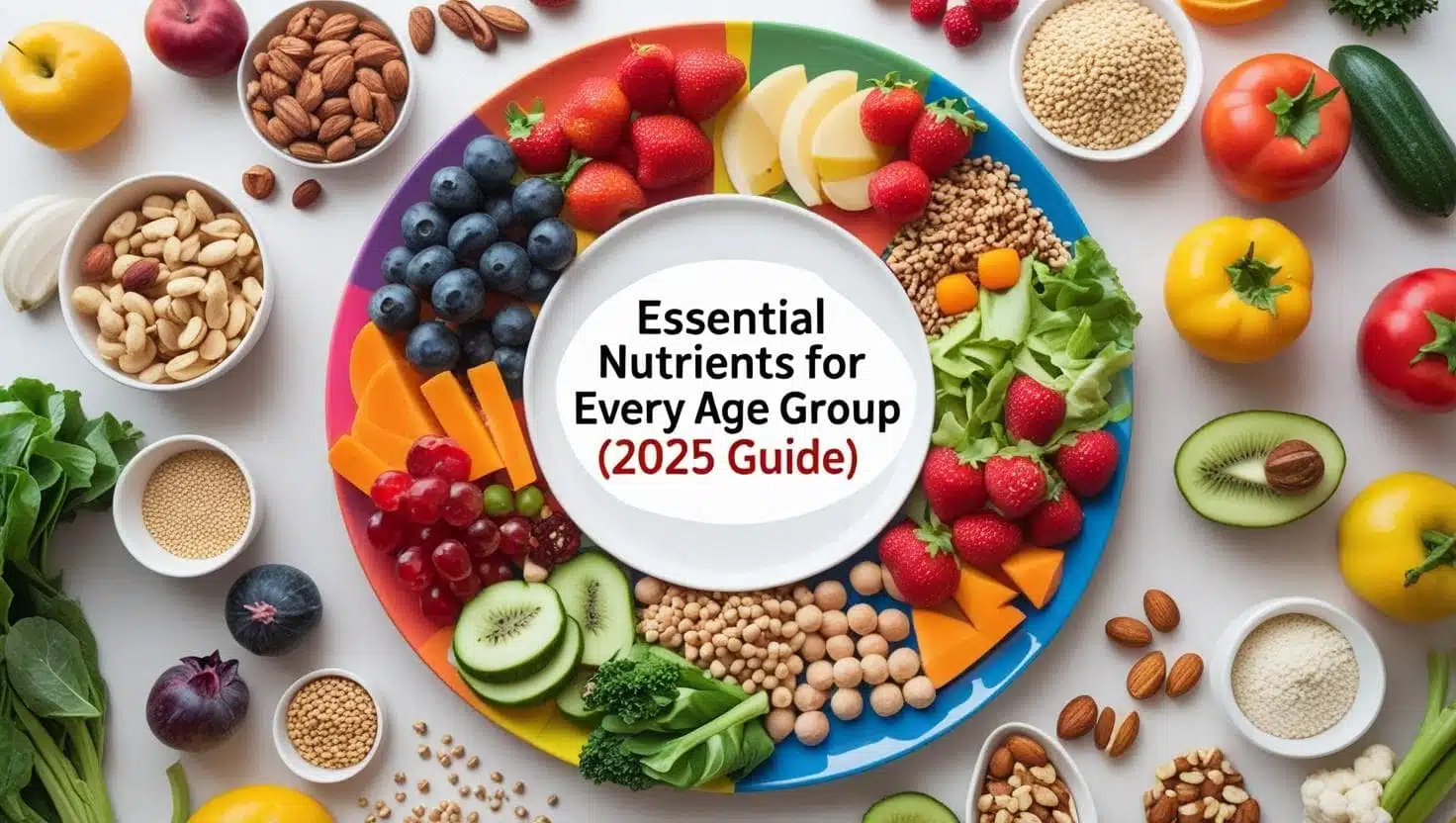
¼ plate protein + ¼ plate whole-grain carbs + ½ plate non-starchy veggies = steady glucose.
For example:
- Avocado toast and scrambled eggs with spinach
- Chia seeds and blueberries in Greek yogurt
- Whole-grain wrap with tofu and vegetables stir-fry
Best Morning Foods for Diabetics (2025 Guide)

How does this look on your plate? Here are some tasty breakfast ideas that have been shown to be good for people with diabetes:
Eggs and vegetables: An omelet, scramble, or frittata with vegetables is a great way to get your veggies in. For instance, mix together two eggs with spinach, tomatoes, and onions. You can even make a big frittata or egg muffins (mix eggs, chopped veggies, lean meat, or beans) ahead of time and heat them up during the week. This is easy to digest, high in protein, and full of nutrients.
Greek Yogurt Parfait: Put plain Greek yogurt (which is high in protein) in layers with fresh berries and a few nuts or seeds. The fruit gives the dish fiber and taste. A small bowl of nonfat Greek yogurt with blueberries and chopped almonds is an example of a quick, portable, and filling snack. Avoid flavored yogurts that are full of sugar.
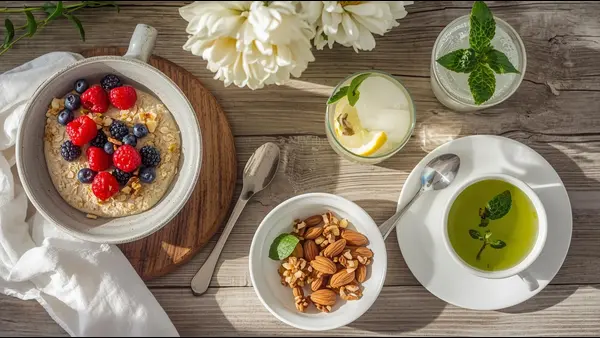
Overnight Oats: Put rolled oats, milk (or unsweetened plant milk), a tablespoon of chia seeds, and a dash of cinnamon in a bowl and put it in the fridge overnight. Add some protein in the morning, like a scoop of protein powder or a spoonful of peanut butter, and top with some berries or diced apple. The end result is a creamy, fiber-rich porridge that is ready to eat. You don’t need to add syrups or sweeteners; just cinnamon or vanilla and fruit will do.
Egg and Avocado Toast: Toast a slice of 100% whole-grain bread and spread mashed avocado or ricotta on top. Add some salt, pepper, or chili flakes on top. Add a poached or fried egg on top for more protein and to fill you up. This mix of fiber, fat, and protein is filling and doesn’t raise blood sugar levels too much.
Nut Butter and Fruit: Put nut butter (peanut or almond) on a slice of whole wheat bread or Ezekiel toast. Serve with an apple or pear on the side. For instance, two tablespoons of peanut butter on toast and half an apple (sliced) give you protein, healthy fat, and fiber to keep you full. (Chia or flax seeds mixed into nut butter add more omega-3s and fiber.)
Make a high-protein burrito or hash by cooking eggs or tofu with beans and salsa and then wrapping them in a low-carb tortilla. A filling made of black beans, eggs, and salsa is full of nutrients. Another option is to make a Turkey and Sweet Potato Breakfast Hash (turkey, sweet potato, and bell peppers) ahead of time and then heat it up again. This is a recipe idea that ADA and dietitians suggest. The beans in the hash also add fiber.
Cottage Cheese Bowl: A bowl of cottage cheese with fresh or frozen berries and a few almonds or walnuts is a tasty and healthy way to get protein, calcium, and fiber. It has a creamy, tangy taste and satisfies sweet cravings without adding sugar.
Smoothies (Balancing Act): A berry or green smoothie with protein in it can work. For instance, mix together some spinach, a small banana or ½ cup of berries, a scoop of protein powder or Greek yogurt, and almond milk that isn’t sweetened. Put in a spoonful of chia or flax for fiber. Drink slowly to mimic chewing. Stay away from smoothies that are heavy in fruit juice or taste like dessert.
The size of the meal is important, no matter what it is. Before and a few hours after you try a new recipe. It’s a good idea to check your blood sugar to see how it affects you. Change the amounts as needed.
Popular Dietary Trends for Diabetic Breakfasts

In 2025, some eating habits are popular and affect what people eat for breakfast:
Low-Carb/Keto Diet: Very-low-carb diets don’t let you eat grains or sugars. A keto breakfast could be bacon or sausage and eggs cooked in butter, with cheese and no toast. There is a lot of interest in keto for diabetes; one study said it is a major area of research. Yes, cutting back on carbs can quickly lower blood sugar and help people with type 2 diabetes lose weight. But you should be careful when doing extreme keto: people with type 1 diabetes are at risk of ketoacidosis, and some people find it hard to stick to the rules. If you eat keto-ish breakfasts, make sure they have lots of nutrients (like eggs, nuts, and leafy greens) and talk to your doctor about it.
You May Also Read: Modified Keto Diet: 2025 Guide for All Ages
Plant-Based/Mediterranean: These diets focus on fruits, vegetables, whole grains, and legumes. A Mediterranean-style breakfast could be whole-grain toast with olive oil, tomato, and feta, or oatmeal with walnuts and olive oil (yes, really!). Tofu scrambles, high-fiber cereals with soy milk, and fruit smoothie bowls are all vegetarian options that are based on plants. Studies show that these patterns may help with diabetes. For example, one review found that vegetarian diets lowered A1C (blood sugar) and BMI in people with type 2 diabetes. Adding more plant foods to your breakfast, like beans, veggies, nuts, and olive oil, is very helpful, even if you don’t eat meat.
Balanced Plate (Mix & Match): A lot of people just use a mix of different methods. For instance, you could have half a plate of sautéed peppers and greens, a quarter plate of eggs or yogurt, and a quarter plate of oatmeal or beans. It could be eggs with spinach and a small sweet potato, or yogurt with berries and a little flaxseed on top. This adaptable method makes sure that there is variety and that portions are kept in check.
You May Also Read: Plant-based Keto Hacks for U.S. Families
Meal-Prep Tips for Diabetic Breakfasts

It’s easy to have healthy mornings if you plan ahead:
Get ready for the next day: Combine oats, quinoa, or chia seeds with milk or yogurt and put them in the fridge. You can have a meal ready in the morning if you just add fruit or nuts.
Make a lot of food at once: On the weekend, make a big veggie frittata or scrambled egg mix. Cut it up into pieces for quick breakfasts. Egg “muffins” (eggs and veggies baked in a muffin tin) are very useful.
Freezer Meals: Make breakfast burritos with whole grain tortillas, eggs, beans, and salsa, then freeze them. Put one in the microwave to heat it up quickly. You can also freeze the things you need to make a smoothie. Just put berries or spinach in a bag with a scoop of protein powder and milk, and then blend.
For quick assemblies, always have simple staples on hand. You can quickly put together boiled eggs, Greek yogurt cups, cheese sticks, nut butter packets, and fruit. For example, you could eat a yogurt cup with a pre-packaged nut pack, or hard-boiled eggs with baby carrots and hummus.
Tips for Different Ages and Diabetes Types
Balance is important for everyone, no matter how old or what type they are. Here are some details:
If you have type 1 diabetes, you will probably be counting carbs and taking insulin. You should eat some carbs in the morning, like oatmeal or toast, so you can match your insulin dose. Adding protein and fat, like an egg or nut butter on toast, will slow the rise. When you skip carbs, your blood sugar may go up later because your body is still in “fasting” mode. Talk to your healthcare team about when to take your insulin before breakfast.
People with type 2 diabetes or prediabetes need to pay close attention to their weight and how sensitive their insulin is. Breakfasts high in fiber and protein, like eggs with vegetables or yogurt bowls with little sugar, help keep blood sugar levels stable and make you feel full. It’s important to watch how much you eat. A lot of people think that a small to moderate amount of whole carbs is fine when they are with protein and fat. Keeping track of your totals can help you reach your weight goals.
Kids and teens: Kids need energy, but it’s important to find a balance. Peanut butter on whole-grain bread with a banana or yogurt parfaits with fruit and granola are both fun and healthy options. Don’t give kids sugary cereal or juice. Teens often skip breakfast, so make it easy for them to choose something (like smoothies with protein or whole-grain toast with egg) so they don’t get hungry by 10 AM.
Seniors and the elderly: Seniors may not want to eat as much or have trouble chewing. Oatmeal, scrambled eggs, and yogurt are all good soft, healthy options. Add spinach to eggs or berries to cereal to make sure your meals are full of nutrients. Seniors should also drink a lot of water or herbal tea. Fiber is still important to avoid constipation, so you should still eat fruits and vegetables at breakfast.
Gestational Diabetes (Pregnancy): Women who are pregnant need more nutrients. At breakfast, make sure to eat protein and fiber. A veggie omelet with a slice of whole-grain toast or Greek yogurt with nuts and a few slices of fruit are two good examples. During pregnancy, small, regular meals (like a snack in the middle of the morning) can help keep blood sugar levels in a healthy range.
What About Intermittent Fasting or Skipping Breakfast?
This is the question that has been all around the internet; Is it possible that people with diabetes can skip breakfast to lose weight?
When you miss breakfast, your blood sugar levels may increase following a meal, your level of free fatty acids may increase, and you may develop insulin resistance.
Long-term associations: Regularly skipping breakfast is linked to a higher chance of getting type 2 diabetes.
Intermittent fasting (time-restricted eating): Preliminary studies indicate it may assist in weight reduction and glycemic regulation in Type 2 Diabetes. But the proof is still weak and only for a short time.
If a diabetic wants to try IF or skip breakfast, here’s what to do. It should be done with medical supervision, close monitoring of blood sugar levels, and the right changes to medications.
Morning Drinks for Diabetics
What you drink in the morning can be just as important as what you eat. Before you eat, liquids can affect how hydrated you are? How quickly your metabolism works, and how your body responds to glucose?
The best choices are:
- Plain water or lemon water: A simple way to stay hydrated without adding calories. That is good for your kidneys and helps get rid of extra sugar.
- Water with cinnamon in it: A few small studies suggest that cinnamon compounds may help lower fasting blood sugar and make insulin more effective.
- Green tea has catechins, which are antioxidants that help insulin work better and break down fat.
- Black coffee (without sugar): Safe in small amounts; caffeine may make you more alert and speed up your metabolism. But don’t add sugar or flavored syrups.
- Vegetable smoothies made with spinach, cucumber, celery, or a small handful of berries and unsweetened almond milk are a good source of fiber and hydration.
You shouldn’t drink fruit juices, energy drinks, sweetened coffees, or flavored waters. Some “natural” juices can have 20 to 30 grams of sugar in each cup. If you like the taste of juice, mix a few tablespoons of 100% juice with sparkling water instead.
Morning Mistakes That Raise Blood Sugar
Even habits that are meant to help can hurt. The most common mistakes people make in the morning are:
- Eating late: It means waiting more than two hours after getting up to see the steroid hormone (cortisol) shoot up pushing glucose to an elevated level.
- Not eating enough protein: A breakfast of only carbs, like toast and jam, makes your blood sugar go up and makes you hungry by 10 a.m.
- Consumption of coffee without a meal: caffeine is temporarily able to elevate blood sugar level. Consumption of protein or fiber with it can be helpful.
- Too many “healthy” smoothies can hide a lot of fruit sugar. Stick to one serving of fruit and add chia or nut butter to make it more balanced.
- Not drinking enough water: A USDA hydration report from 2024 says that even mild dehydration (losing just 2% of your body weight) can raise blood glucose levels.
- Not looking at morning glucose trends: Knowing your numbers before and after breakfast can help you improve your routine.
You can make small changes, like eating sooner, drinking more water, or adding protein, to make those glucose curves less erratic.
Conclusion
Taking care of your diabetes doesn’t mean you have to stop eating good food. It means figuring out how to plan your day ahead of time. A healthy breakfast with fiber, protein, and healthy fats every day. That meal helps you control your blood sugar better, stay focused, and have fewer cravings all day.
Don’t skip, don’t spike—just find a balance. That’s the main point.
Sources: There are reliable guidelines and studies that back up these tips. For instance, the American Diabetes Association has a lot of healthy recipes and says that simple breakfasts can help keep blood sugar levels in check. Diabetes educators and medical literature also stress the importance of eating protein, fiber, and foods without sugar in the morning. Always ask your healthcare team for advice that is specific to you.
Disclaimer: The information on thenutrio.com is only for educational and informational purposes and is not meant to be medical, nutritional, or professional health advice. Before making any changes to your diet, treatment plan, or health routine, you should always talk to a qualified healthcare provider, doctor, or registered dietitian. You use any information on this site at your own risk, and thenutrio.com and its authors are not responsible for any bad results.




![[2025] Fats (Lipids): Best Choices for Every Age](https://www.thenutrio.com/wp-content/uploads/2025/09/A-vibrant-hero-image-showing-a-colorful-plate-rich-in-healthy-fats—like-avocado-toast-nuts-olive-oil—paired-with-text-overlay-2025-Fats-Lipids_-Best-Choices-for-Every-Age.-4-min-1-1.webp)