
Disclaimer: The information on thenutrio.com is only for educational and informational purposes and is not meant to be medical, nutritional, or professional health advice. Before making any changes to your diet, treatment plan, or health routine, you should always talk to a qualified healthcare provider, doctor, or registered dietitian. You use any information on this site at your own risk, and thenutrio.com and its authors are not responsible for any bad results.
Intermittent fasting (IF) is a trendy method of shedding off weight. You can easily follow it and it is flexible. The thing is, though, that a lot of people reach a plateau or even become fatter in spite of the fact that they observe their totally fasting periods. When you say to yourself, Why am I not losing weight when I am on intermittent fasting, you do not stand alone. Being aware of the pitfalls and pitfalls and knowing how to correct them can make you achieve your weight-loss objectives.
Why Am I Not Losing Weight While Intermittent Fasting?
These are some of the general factors that may explain why you may not lose weight with intermittent fasting.
1. You’re Consuming More Calories Than You Think
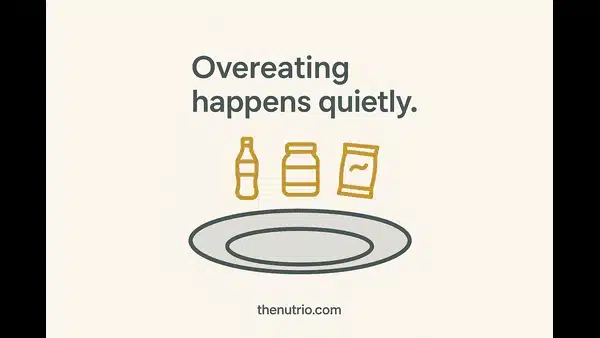
It is simple to consume excess calories even when you are just eating within a limited period of time. It is so the case with many that they do not know how much they take, particularly with beverages, snacks, or larger sections when they are eating. Sauces, beverages, snacks contain calorie content, which is easy to reverse all your hard work.
Solution: Downloading such applications as MyFitnessPal or Lose It will help you to keep track of what you are eating. It will make you understand when you are over eating.
2. You’re Eating the Wrong Foods

Intermittent fasting does not provide you with any excuse to eat unhealthy foods. Having a diet rich in junk food that is rich in calories during your meal timings will negate the chances of fasting.
Solution: Consume nutrient-dense foods that provide you with the world of good nutrition. For example: lean protein sources, vegetables, fruits and whole grains. Avoid consuming processed foods that contain a significant amount of added sugar and bad fats.
3. You’re Not in a Calorie Deficit

When you burn more calories than you take in, you lose weight. Weight loss won’t happen if your energy expenditure is equal to or greater than the calories you consume during mealtimes.
Solution: Make sure that you eat fewer calories than you burn each day. You can do this by either eating smaller portions or getting more exercise.
4. You’re Not Staying Active
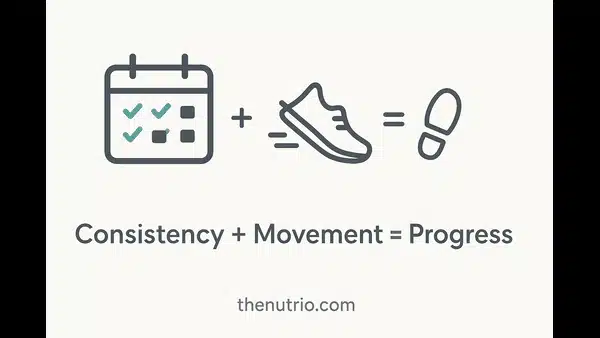
Exercise is very important for losing weight. Even if you fast for short periods of time, a sedentary lifestyle can slow your progress.
Solution: Make exercise a regular part of your life by walking, lifting weights, or doing cardio. Try to get at least 150 minutes of moderate-intensity exercise each week.
5. You’re Experiencing High Stress Levels

Stress over a long period of time raises cortisol levels, which can make you hungrier and cause you to store fat, especially around your stomach.
Solution: To keep your stress levels in check, try meditation, deep breathing exercises, yoga, or spending time in nature.
6. You’re Not Getting Enough Sleep
Not getting enough sleep messes with hormones that control hunger, which can make you hungrier and cause you to eat too much.
Solution: Get 7 to 9 hours of good sleep every night to help your metabolism and lose weight.
7. You’re Not Being Consistent
Not sticking to your fasting schedule can slow down your progress. If you skip fasting periods or eat too much on non-fasting days, it can make it harder for your body to get used to intermittent fasting.
Solution: Keep a regular schedule for eating and fasting. If you need to, change the length of your fasting window to one that feels doable for you.
Additional Factors to Consider
1. You’re Not Eating Enough Protein
Protein helps keep muscle mass and makes you feel full. A diet low in protein can make it harder to lose weight.
Solution: Add lean protein sources like chicken, fish, tofu, and beans to your meals.
2. You’re Not Hydrating Properly
When you’re dehydrated, you might feel hungry, which can make you eat too much.
The solution is to drink a lot of water all day, especially when you’re fasting.
3. You’re Expecting Immediate Results
Losing weight takes time. If you expect quick results, you might get frustrated and stop fasting.
Solution: Be patient with the process and set reasonable goals. Keep an eye on your progress over the course of weeks, not days.
Conclusion
When done right, intermittent fasting can help you lose weight. You can increase your chances of success by avoiding common mistakes. Like eating too much, making bad food choices, not getting enough exercise, and dealing with stress and sleep issues. Keep in mind that being consistent and aware are very important. If you’re still having trouble, you might want to talk to a doctor or nutritionist about making a plan that works for you.
Disclaimer: The information on thenutrio.com is only for educational and informational purposes and is not meant to be medical, nutritional, or professional health advice. Before making any changes to your diet, treatment plan, or health routine, you should always talk to a qualified healthcare provider, doctor, or registered dietitian. You use any information on this site at your own risk, and thenutrio.com and its authors are not responsible for any bad results.